
Video editing is more than just arranging clips on a timeline—it’s about shaping how an audience feels. Every cut, transition, and pause plays a role in guiding emotions. Whether it’s excitement, tension, or sadness, the editor has the power to control the viewer’s emotional journey. Understanding this concept is what separates a basic editor from a great storyteller.
One of the most important elements in emotional editing is timing. Fast cuts can create urgency and energy, while slower cuts allow viewers to connect deeply with the subject. For those starting out, learning these fundamentals through Video editing classes in Jodhpur can help build a strong foundation in pacing and storytelling techniques.
Another key factor is rhythm. Just like music, videos have a natural flow. Editors often match cuts with beats or visual cues to maintain engagement. When the rhythm feels right, the audience stays connected without even realizing why. This is a core concept taught in a video editing course jodhpur, where learners understand how to balance visuals and sound effectively.
The sequence of shots also plays a major role in influencing emotions. Placing two different clips together can completely change their meaning. This psychological effect allows editors to suggest feelings without directly showing them. Many beginners discover this powerful technique when they join a video editing course near me, as it helps them think more creatively about storytelling.
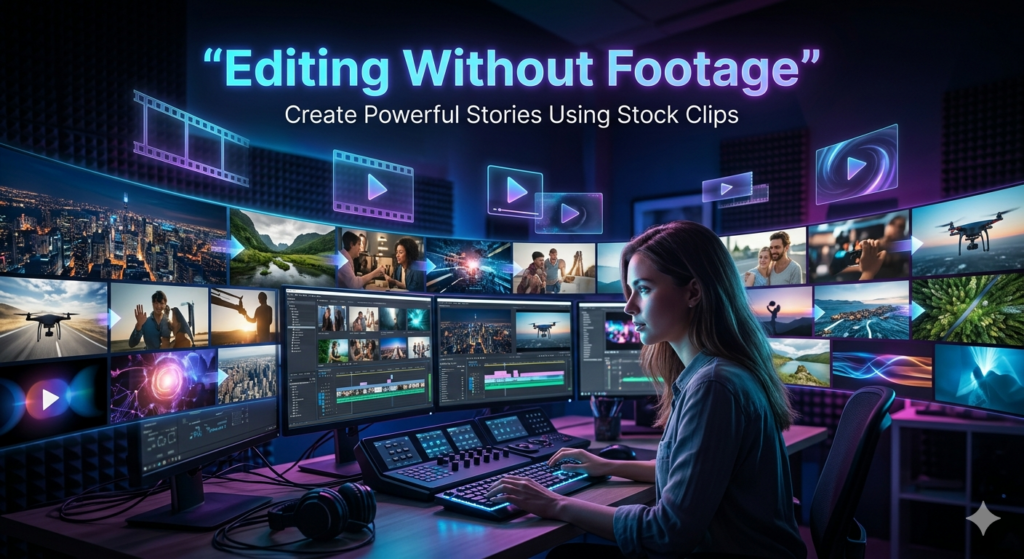 use or a quiet scene can intensify emotions and make important moments stand out. emphasized in video editing training jodhpur where real-world editing scenarios are explored.
Shot selection is equally important. Close-up shots create intimacy and help viewers feel connected to the subject, while wide shots can create distance or highlight surroundings. By carefully choosing when to cut between these shots, editors can guide the audience’s emotions in a subtle yet powerful way.
In the end, editing for emotion is about intention. Every decision—from the length of a clip to the placement of a cut—should serve a purpose. The best edits are often invisible, but their emotional impact is unforgettable. When done right, video editing becomes not just a technical skill, but an art form that connects deeply with viewers.